
Generational Trauma Therapy for Black and Caribbean Women in Georgia
hello@shimabaronian.com | Online GA
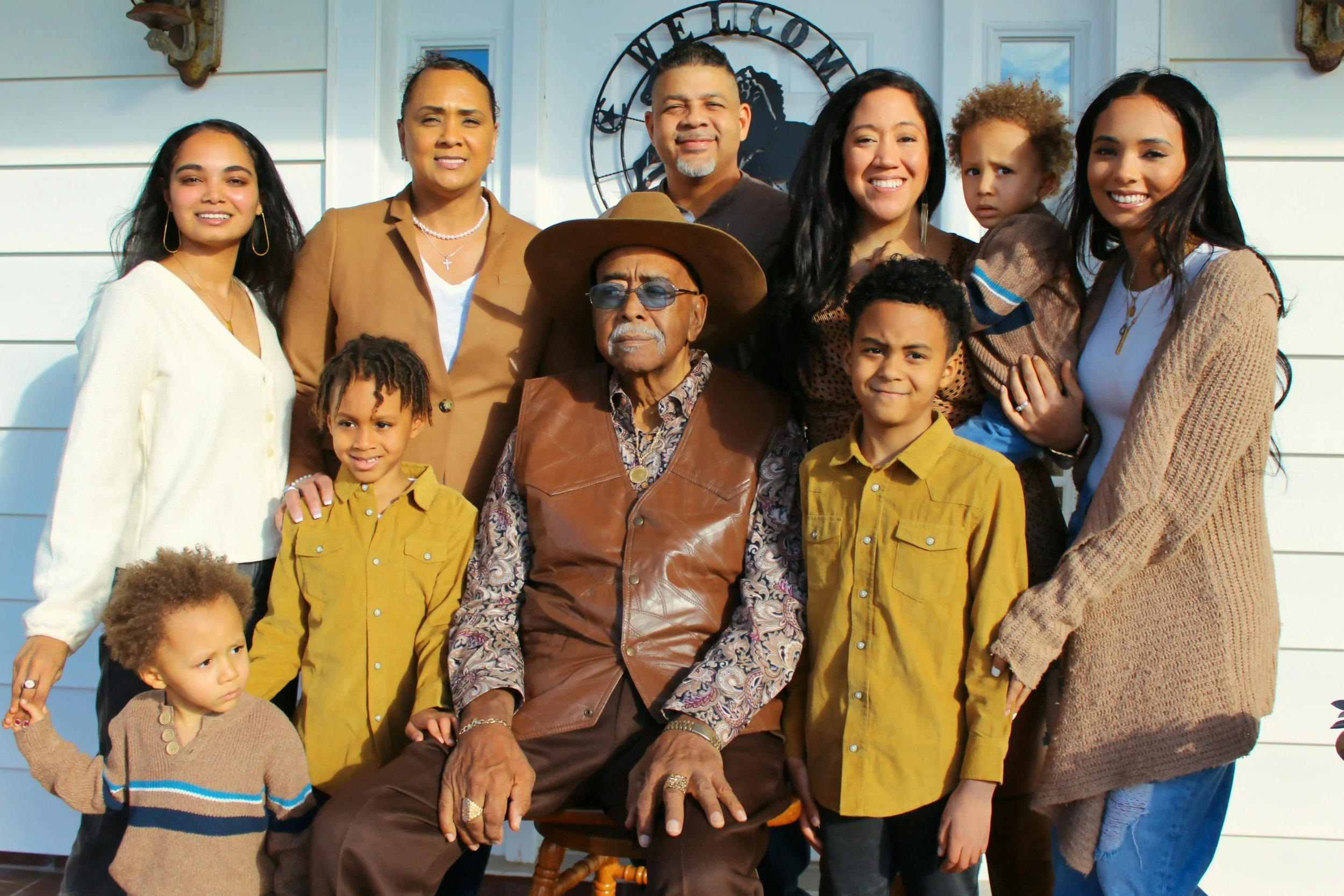
You grew up watching, absorbing, learning what was safe to feel and what had to be swallowed. You learned that strength meant silence, that family loyalty meant not asking questions, and that “whatever happened in this house stays in this house.”
Nobody called it trauma. It was just how things were.
But now you're an adult and the patterns are showing up everywhere. In your relationships, your finances, your body, the way you shrink or explode or shut down without fully understanding why. You're working hard, doing everything right, and still feeling like something underneath is pulling you back.
That something has a name and it didn't start with you.
What Generational Trauma Actually Is
Generational trauma is what happens when pain, survival patterns, and coping strategies get passed down through families. Not always through words, but through behavior, silence, nervous system responses, and the unspoken rules of how things are done.
In Caribbean and Black families, it often looks like:
Emotional silence. Feelings weren't discussed, they were managed or ignored
Financial stress treated as a permanent condition, not something that could change
"Strong" as the only acceptable way to be
Loyalty that required you to minimize your own experience
Parents and grandparents who survived real hardship and passed down the vigilance that kept them safe, even when you no longer needed it to survive
None of this means your family didn't love you. It means they gave you what they had. And some of what they had was pain they never got to heal.
How Generational Trauma Shows Up in Your Life Now

Generational trauma doesn't announce itself. It shows up as:
Anxiety that doesn't have an obvious source
Hypervigilance. Always waiting for something to go wrong
Difficulty trusting people, especially in close relationships
People-pleasing or the inability to set boundaries without guilt
A complicated relationship with money. Shame, scarcity, fear, or avoidance
Physical symptoms. Chronic tension, fatigue, autoimmune issues, sleep problems
The feeling that no matter how much you achieve, it's never enough
If you've tried to logic your way out of these patterns and it hasn't worked, that's not a failure, it's information. These patterns live in the nervous system, not just the mind. Talking alone often can't reach them.
How We Work With It: EMDR and Somatic Therapy
I use EMDR, somatic therapy, and trauma-informed approaches to work with generational trauma at the level where it actually lives. In the body and the nervous system.
We don't just talk about the patterns. We trace them back to their roots, process what's been stored, and build something different in its place. That means understanding where your responses came from, what they were protecting you from, and what it looks like to finally put them down.
This work is personal for me. I come from a Caribbean family. I understand the terrain. The silence, the strength, the loyalty, the love that sometimes came with conditions. You won't spend your sessions explaining your background before the real work can begin.
You're in the Right Place If:
You're a Black or Caribbean woman carrying patterns you know didn't start with you
You're the "strong one" who's exhausted from holding everything together
You grew up in a home where emotions and money were never openly discussed
You're ready to stop inheriting what hurt you and start building something different
You've tried therapy before and it didn't quite fit, and you're willing to try again with someone who works differently
This is where the cycle breaks.
Online throughout Georgia.
Frequently Asked Questions About Generational Trauma Therapy
-
Generational trauma is pain and survival patterns passed down through a family across generations. It moves through behavior, silence, nervous system responses, and the unspoken rules of how things are done, not just through words. You can carry it without ever living through the original event yourself. It often shows up as anxiety, hypervigilance, people-pleasing, trouble with money, and difficulty trusting people in close relationships.
-
Yes. Generational trauma, intergenerational trauma, and inherited trauma all describe the same thing. Pain and coping patterns that get handed down through a family. Some people also call it ancestral trauma. The name matters less than recognizing it in your own life.
-
EMDR helps because generational trauma lives in the nervous system, not just the mind. Talking about a pattern can help you understand it, but understanding alone rarely changes it. EMDR works with the body's stored responses directly, which is why it can reach patterns that talk therapy hasn't touched. Somatic therapy works the same way, through the body rather than around it.
-
Yes. You can carry survival patterns that started with a parent or grandparent who lived through real hardship. They passed down the vigilance and coping strategies that kept them safe, and you absorbed them growing up, even when you no longer needed them to survive. That's why these patterns can feel like they don't have an obvious source.
-
Common signs include anxiety without a clear cause, always waiting for something to go wrong, difficulty setting boundaries without guilt, a complicated relationship with money, physical symptoms like chronic tension or sleep problems, and the feeling that nothing you achieve is ever enough. If you've tried to think your way out of these patterns and they keep returning, that's worth paying attention to.
-
Yes. I come from a Caribbean family and I work specifically with Black and Caribbean women carrying patterns they know didn't start with them. You won't spend your sessions explaining the silence, the strength, or the loyalty before the real work can begin. I already understand the terrain.
-
Yes. I work with clients online throughout Georgia. You can book a free consultation to see if we're a fit.